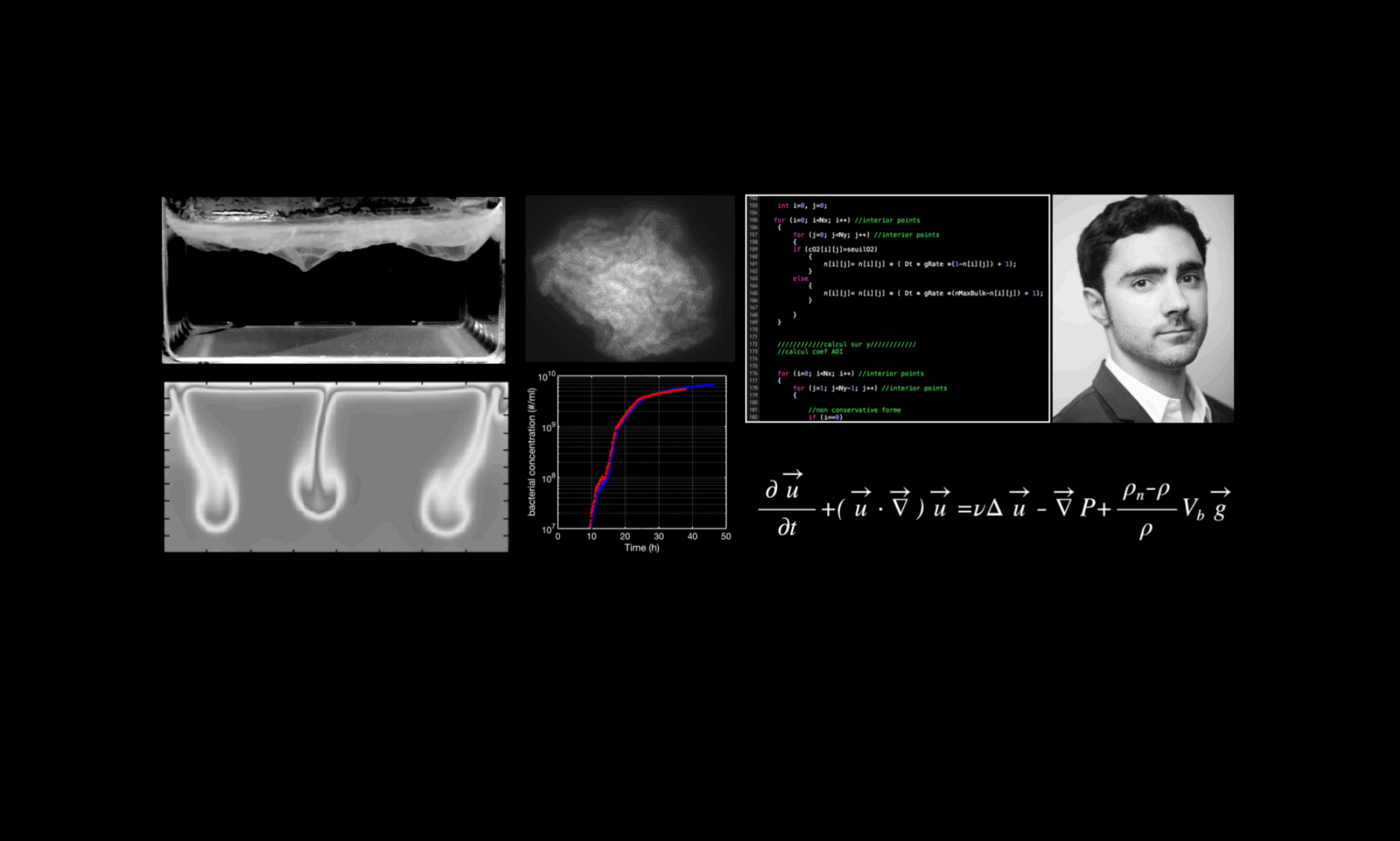
The structure of the bacterial environment determines the outcome of their evolutionary scenario. It promotes the emergence of genetic diversity and drives interactions within bacterial communities. Bacteria modify their biotope by consumption of nutrients in the environment (carbon, nitrogen, oxygen, etc.), and by secretion of extracellular product (polymers, siderophores, toxins, etc.).
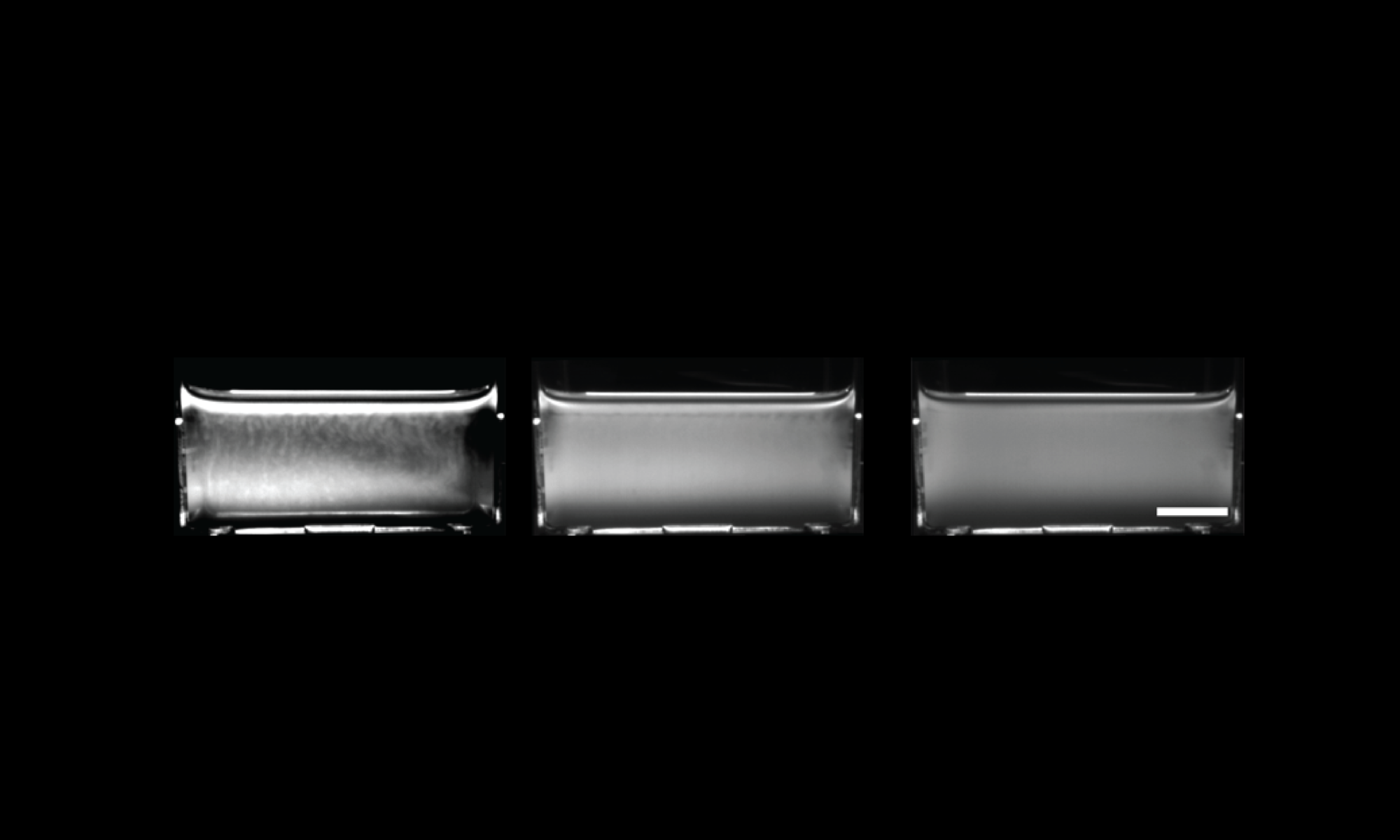
Bacteria commonly form biofilms at the interfaces. As a result, many studies have been interested in the internal structure of biofilms and their mechanisms of self-organization. Notwithstanding, we have little information on the impact of biofilm formation on the surrounding environment. Building a biofilm involves the secretion of the constituents of the extracellular matrix but also other resources or signals shared between the bacteria. How is the distribution of secretions from the biofilm structured in its neighbouring environment? What are the mechanisms responsible for their allocation?